How to Prepare for a Successful Career Transition in People & Culture | Career Guide
- August 07, 2026
- Share
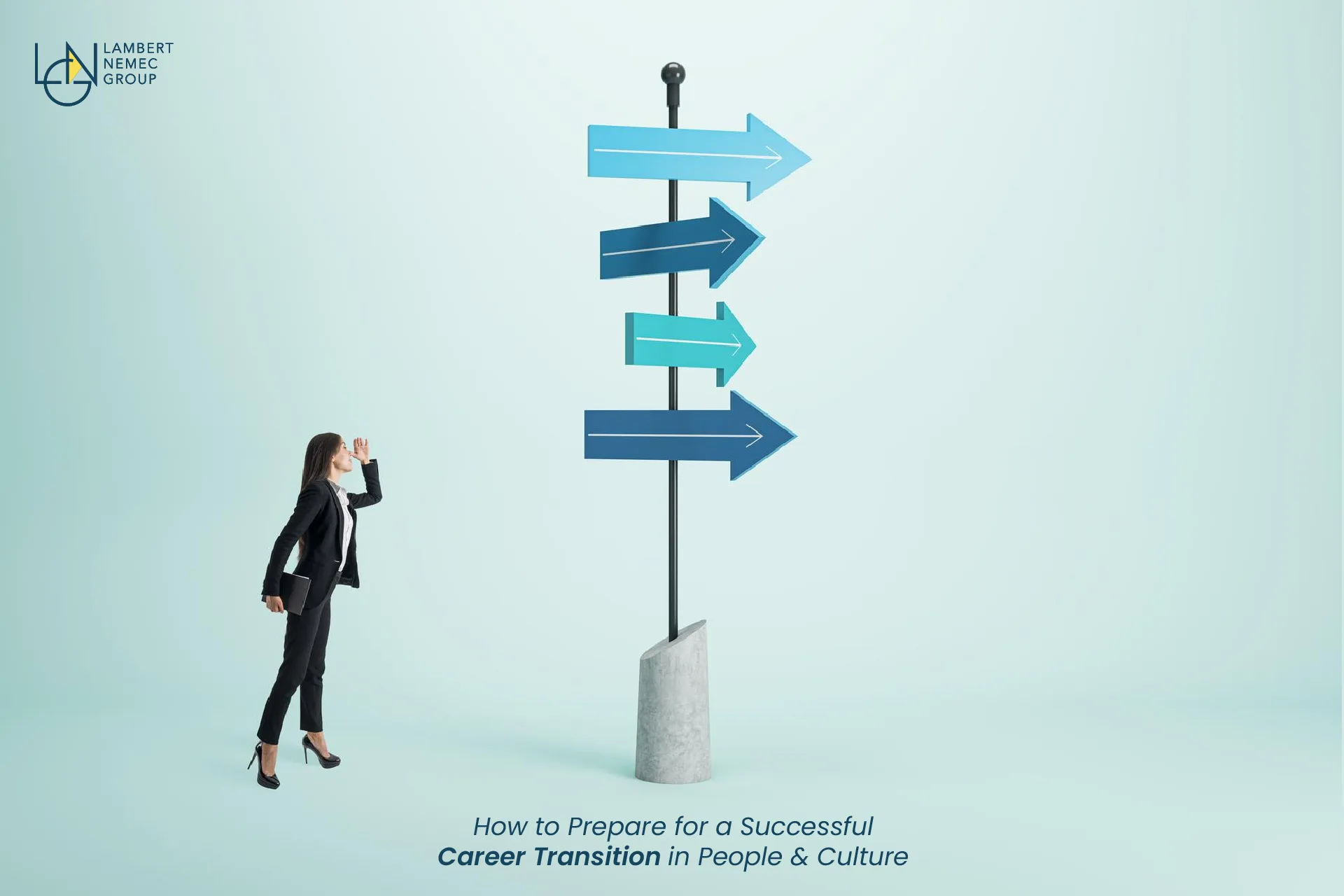
Careers are no longer stable and linear. Many professionals find themselves searching for new roles to achieve personal goals and find the right direction. Among all career paths, People & Culture is of high importance. This field focuses on how a company operates, develops, and creates policies to retain its workforce while maintaining a healthy culture.
Getting into the People & Culture field can be challenging, as it requires a great deal of preparation. Whether you are an HR professional, working in management or operations, or new to this field, a thoughtful plan can set you up for a successful career.
In this blog, we will discuss a step-by-step process for building a successful career in People & Culture.
Before changing your career path, it is important to understand the role and responsibilities. People & Culture is not just an HR function; it also focuses on employee recognition, engagement, operations, and management. Moreover, this field includes company values, policies, and long-term organizational health.
The People & Culture field covers:
- Employee engagement
- Leadership skill development
- Performance management
- Organizational change
- Company values and culture
Take the time to read and analyze different job roles. Seek guidance from professionals already working in the People & Culture field. This will help you better align with the role.
An effective career transition begins with self-awareness. Review your existing competencies and compare them with the requirements of People & Culture roles.
Many individuals already have transferable skills, such as:
- Communication skills
- Problem-solving skills
- Mentorship
- Leadership
- Data analysis and reporting
- Project management
List your strengths and identify areas for improvement. For example, you may be a strong communicator but lack knowledge of employment laws or people analytics. This insight will help you build a more focused learning plan.
Education plays an important role in a smooth transition. While a new degree is not always necessary, targeted learning can build both credibility and confidence.
Consider the following options:
- Enroll in short online courses.
- Use online learning platforms focused on employee engagement and workplace culture.
- Read books and relevant industry articles.
Focus on practical knowledge that can be applied immediately. The learning process should be continuous, as the People & Culture field evolves with workplace trends and employee expectations.
Practical experience plays a key role in shaping your career in the People & Culture field. If you are currently employed, look for opportunities to get involved in relevant initiatives.
You can:
- Volunteer to support engagement surveys or culture-related projects
- Assist with onboarding or training programs
- Participate in diversity or well-being initiatives
- Shadow HR or People & Culture professionals
If you are transitioning from outside your current organization, consider internships, contract roles, or project-based work. Even small experiences can strengthen your profile and demonstrate genuine interest in the field.
People & Culture professionals work closely with employees at all levels, making emotional intelligence and interpersonal skills essential.
Focus on developing:
- Active listening
- Empathy and understanding
- Clear and respectful communication
- Conflict management
- Coaching and feedback skills
These skills cannot be developed through theory alone. Practice them in your day-to-day work and personal interactions. Strong people skills will help you stand out in interviews and demonstrate your readiness for the role.
The People & Culture function is not only about employees. It is closely tied to business operations and strategy.
To succeed, you must understand:
- Decision-making processes
- Financial strategies
- Business strategy
When you can connect people initiatives to business outcomes, you position yourself as a strategic partner rather than just a support function.
Your resume should reflect your readiness for a People & Culture role. Focus less on job titles and more on relevant achievements and transferable skills.
Highlight:
- People-related responsibilities
- Leadership or team development experience
- Culture, engagement, or training initiatives
- Measurable results, such as improved retention or engagement
Update your professional profiles as well. Use clear and consistent language that reflects your direction toward People & Culture. Consistency across platforms builds credibility.
Networking plays a key role in career transitions. Building relationships with professionals in People & Culture can open doors and provide valuable insights.
You can:
- Attend industry events or webinars
- Join professional groups or associations
- Connect with People & Culture leaders online
- Request informational conversations
Approach networking with curiosity rather than urgency. Learning from others’ experiences can help you avoid common mistakes and better prepare for challenges.
Interviews for People & Culture roles often focus on mindset and approach, not just technical knowledge.
Be ready to discuss:
- Why you want to work in People & Culture
- How you handle sensitive conversations
- Your approach to conflict or change
- Examples of supporting people through challenges
- Be Patient and Open to Growth
Career transitions take time. You may not reach your desired role immediately, and that is completely normal. Many successful People & Culture professionals began in related roles and progressed over time.
Stay open to learning, feedback, and change. Every experience adds value and builds confidence. A long-term mindset will help you navigate challenges without becoming discouraged.
Transitioning into a People & Culture career is a strong choice for individuals who are passionate about people, values, and workplace culture. With the right direction, learning, and experience, this path can lead to a fulfilling and successful career.
By understanding the core aspects of the field, building relevant skills, gaining experience, and expanding your professional network, you can position yourself for long-term success. A career change does not mean starting over. It means moving forward with purpose and aligning your work with your interests.